


 Home > News
2026/6/22 0:00:00
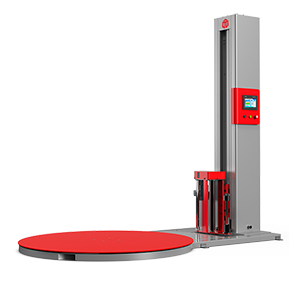
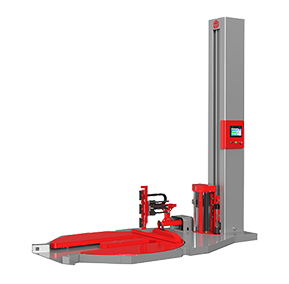
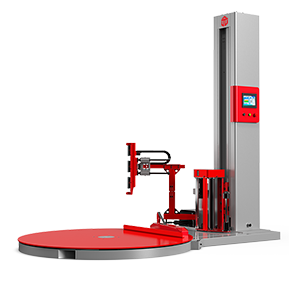
In low-temperature environments such as cold-chain warehouses and frozen food processing plants, wrapping machines must be capable of packaging goods in extreme conditions as low as -25°C. Low temperatures can cause metal embrittlement, lubricant solidification and electrical component failure, making it difficult for standard stretch wrappers to cope. To ensure stable operation, the equipment must meet specific requirements in terms of mechanical structure, electrical systems and the suitability of consumables.
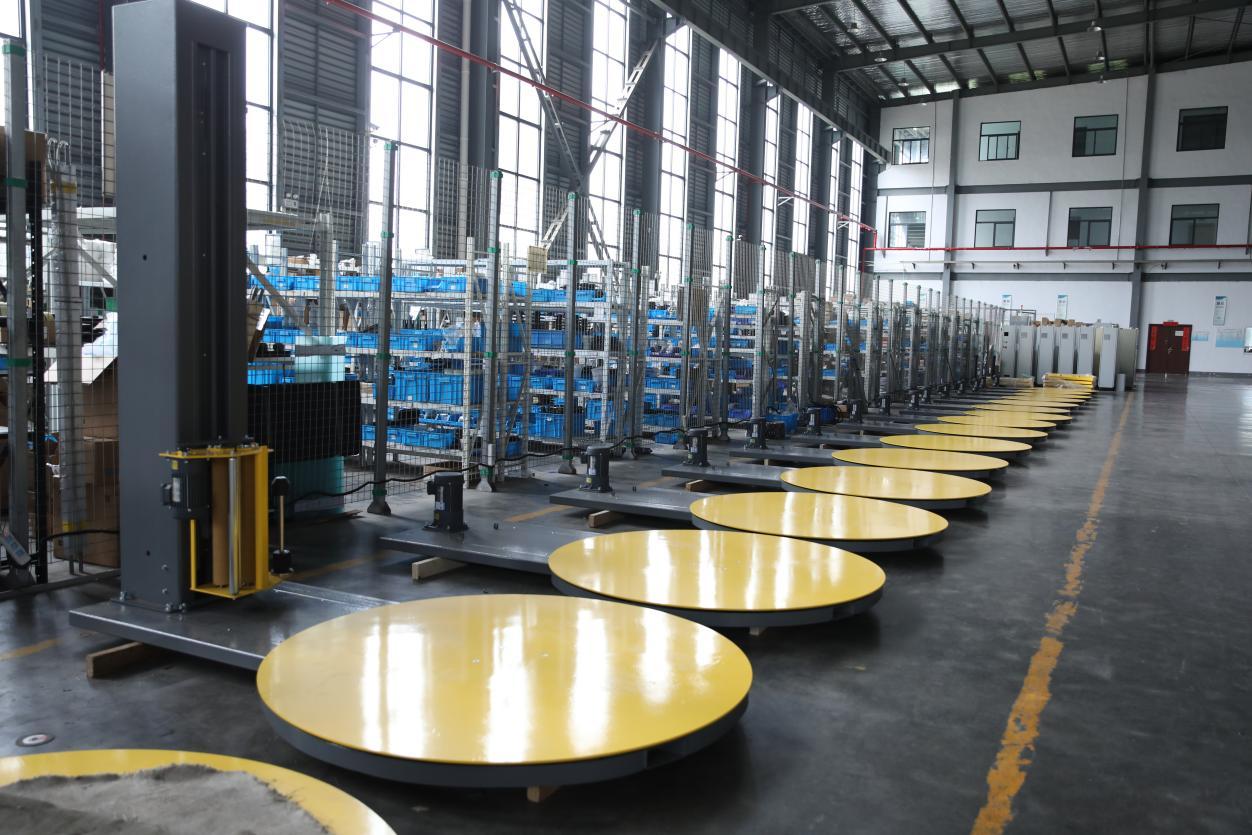
Mechanical structure: Cold and frost resistance are essential
Low-temperature environments place extreme demands on the mechanical strength and operational flexibility of winding machines; the key lies in addressing the issues of ‘component embrittlement’ and ‘movement jamming’.
The machine frame must be constructed from low-temperature-tough steel (such as Q355ND), a material that retains its impact resistance at -40°C, thereby preventing the robotic arm from fracturing due to low-temperature embrittlement. Transmission components such as rotating shafts and chains must undergo ‘low-temperature ageing treatment’—involving pre-cooling tests in sub-zero environments to eliminate internal stresses and reduce the risk of deformation at low temperatures.
Lubrication of the moving joints is critical. Standard lubricants solidify at -10°C, so it is essential to switch to specialised low-temperature grease (such as fully synthetic polyurethane grease), which has a pour point below -40°C and remains fluid at -25°C, ensuring smooth rotation of the robotic arm and vertical movement of the film frame. Practical experience at a frozen food warehouse has shown that the failure rate of wrapping machines due to stuttering was reduced by 80% after switching to specialised grease.
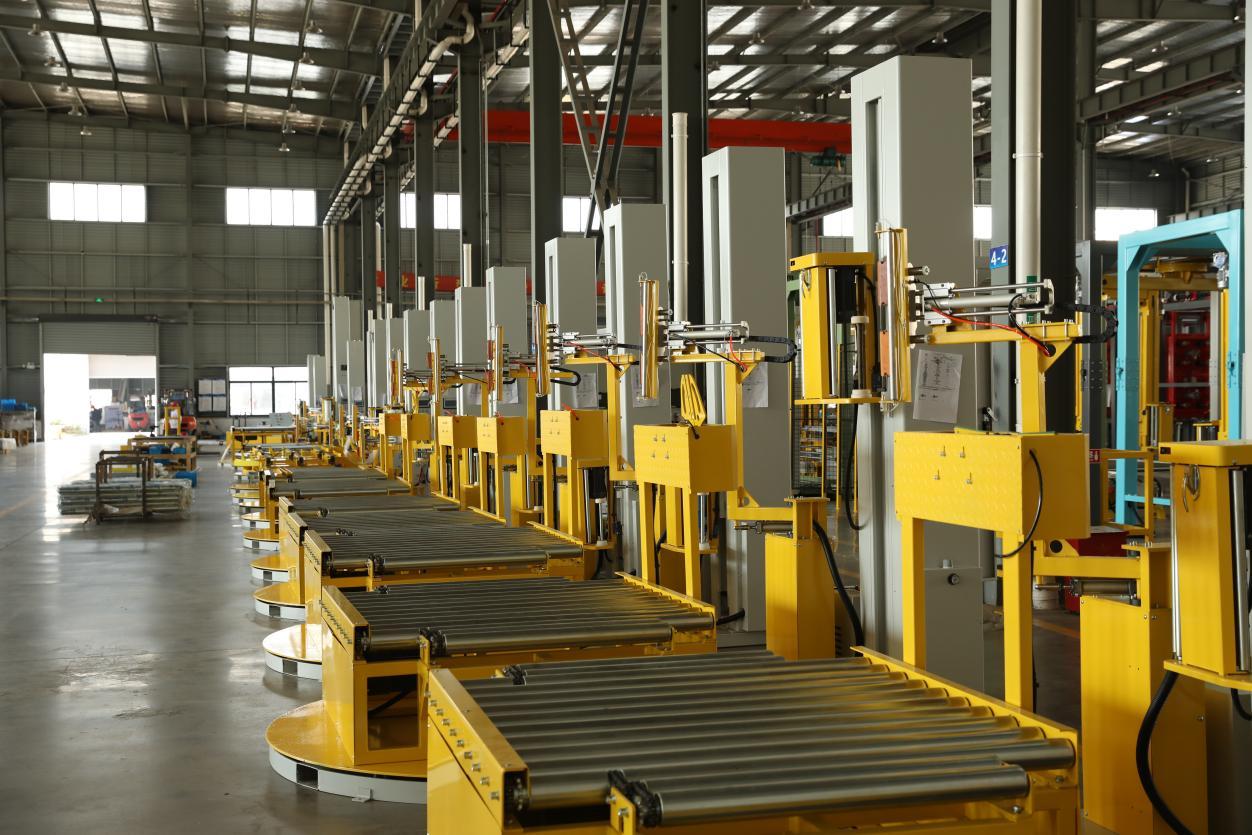
Electrical systems: Preventing condensation and system failure is key
In low-temperature environments, temperature differences between the interior and exterior of equipment can easily lead to condensation on electrical components, causing short circuits or poor contacts; therefore, electrical systems require dual protection against both condensation and low temperatures.
Control cabinets must be fitted with a constant-temperature heating system that activates automatically when the internal temperature falls below 5°C, maintaining the cabinet temperature between 10–15°C to prevent wiring and PLC modules from failing due to low temperatures. Terminal blocks must utilise silver-plated contacts to reduce contact resistance at low temperatures and prevent overheating and burnout when energised.
Sensors and motors must be selected in low-temperature variants: the operating temperature range of proximity switches should cover -30°C to 50°C to ensure precise positioning of pallets; drive motors should employ low-temperature rare-earth permanent magnet motors capable of maintaining rated power at -25°C, thereby preventing film frame stalling due to insufficient power. Data from a cold chain logistics centre indicates that, following the installation of low-temperature electrical components, the interval between electrical faults in the wrapping machine has increased from one month to six months.
Consumables and processes: suited to low-temperature conditions
The choice of stretch film directly affects the packaging outcome. Standard PE film becomes hard and brittle at -25°C, making it prone to tearing during wrapping; it is therefore necessary to switch to ‘low-temperature, freeze-resistant stretch film’—which contains plasticisers to enhance flexibility, ensuring good extensibility and stable wrapping tension even at low temperatures.
The wrapping process also requires adjustment: in low-temperature environments, the film’s elongation rate decreases, so the stretch ratio must be reduced (from the standard 200% to 150%) to prevent the film from breaking due to excessive stretching; at the same time, the number of wrapping layers should be increased (by 1–2 layers compared to normal temperatures). This multi-layer wrapping enhances protection and prevents goods from becoming damp or frosted during low-temperature transport.
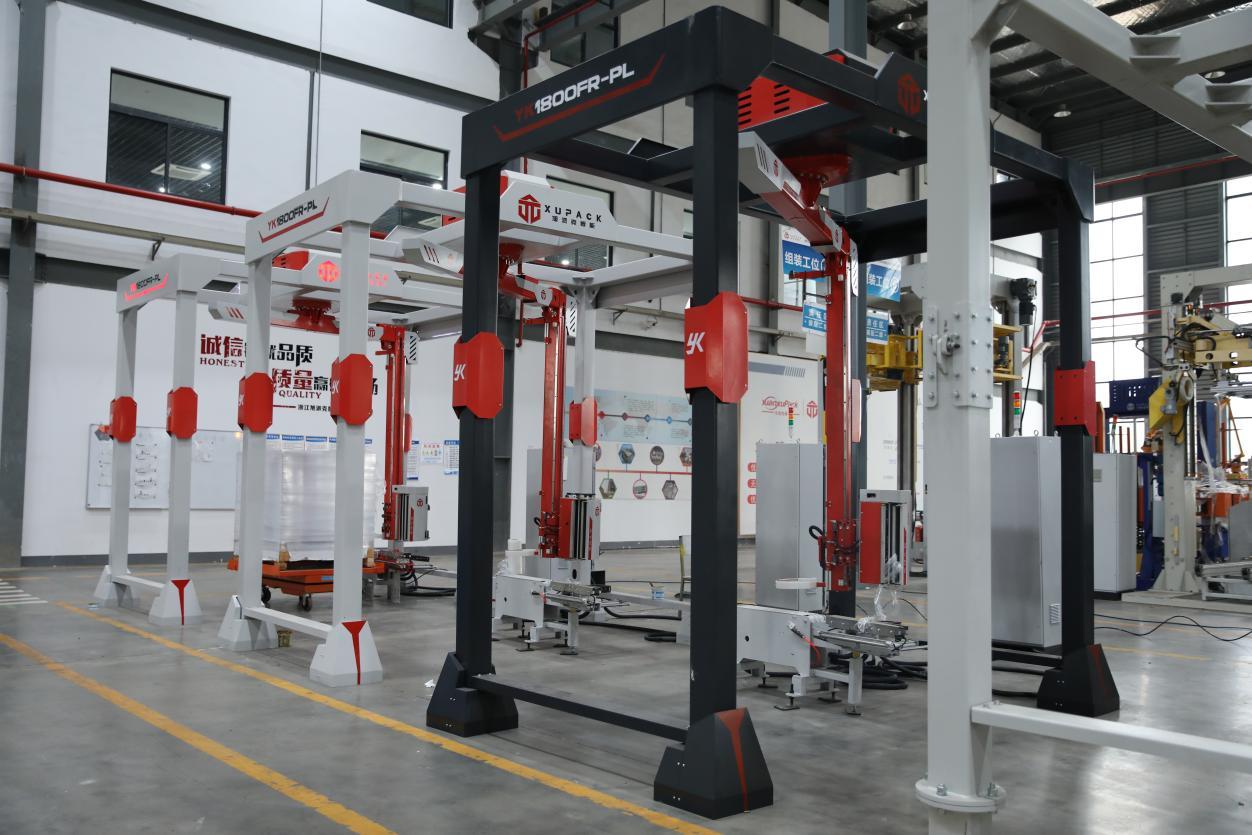
Routine maintenance: Extending service life in low-temperature conditions
A ‘warm-up run’ must be carried out before starting the machine each day—running it unloaded for 5 minutes to allow the grease to circulate fully and the motor to warm up; after shutdown, promptly remove any residual film fragments from the film frame to prevent them from freezing at low temperatures and blocking the guide rails.
Seals must be inspected weekly: low temperatures accelerate the ageing of rubber seals; if cracks are found in the seals on the control cabinet or motor shaft, they must be replaced immediately to prevent cold air from seeping in and causing internal condensation. Calibrate the sensors once a month, as low temperatures may cause positioning accuracy to drift; after calibration, ensure that the film frame alignment error does not exceed 2 mm.
In a -25°C environment, the stable operation of the wrapping machine is not an ‘optional task’ but a ‘mandatory requirement’. From the cold-resistant design of the mechanical structure, to anti-condensation measures in the electrical system, and the adaptation of consumables and processes, every detail must be specifically optimised. Once these requirements are met, the wrapping machine can achieve a stable packaging rate of 30–40 pallets per hour in low-temperature environments, establishing a robust defence for the safe transport of cold-chain goods and truly becoming a ‘reliable packaging assistant’ in low-temperature scenarios.